Fossil Hunting Along the Yorkshire Coast: Why Hornsea Is a Fascinating Starting Point
Hornsea sits on the Holderness Coast, an area well known for its rapidly changing cliffs. Much of this coastline consists of glacial till, sometimes called boulder clay.
During the last Ice Age, glaciers transported rocks from different geological periods before depositing them across Holderness. Today, coastal erosion releases some of this material onto the beach. As a result, fossils found here can come from Jurassic, Cretaceous, and Carboniferous rocks.
That variety is part of the appeal. Unlike a fossil site where everything comes from one exposed rock layer, you never quite know what you may spot.
Among the fossils that Hornsea visitors might encounter are ammonites, belemnites, corals, echinoids, and fossilised molluscs. Many finds appear within loose stones and material along the foreshore.
Beaches Near Hornsea for Fossil Hunting
There are several beaches near Hornsea where curious beachcombers can explore the region’s geology. Conditions and access can change, so you should always check the tide and local signage before setting out.
Hornsea Beach
Staying close to Hornsea is the obvious place to begin. The beach contains plenty of loose stones to examine, with fresh material exposed as the coastline changes.
For casual fossil spotting, concentrate on loose material already lying on the beach. Look carefully around areas of shingle and among stones uncovered by the tide.
Some fossil-rich sections south of Hornsea are much more challenging. Old sea defences, unstable cliffs, and changing access can create serious hazards. Specialist fossil guidance advises that these sections are unsuitable for children.
Families can still enjoy looking through loose beach material in safer, open areas. There is no need to approach the cliffs to make the activity enjoyable.
Mappleton Beach
A short journey south brings you to Mappleton, another well-known Holderness fossil-hunting location.
The cliffs here also contain glacial till. Ammonites, belemnites, echinoids, corals, and molluscs are among the fossils found within the rocks carried into the area by glaciers.
Access to the foreshore is available via a slipway from the parking area. However, this remains an actively eroding coastline. Keep well clear of cliffs and check conditions before every visit.
Bridlington North Beach and Sewerby
For families who would like to make fossil hunting part of a wider seaside day, Bridlington provides another option.
Heading towards Sewerby, the shoreline becomes rockier. Fossil sponges are a particular feature here, alongside echinoids, molluscs, belemnites, and other remains within the chalk.
Bridlington North Beach also offers nearby facilities, making it a practical choice when visiting with children. Fossil collectors should search loose foreshore material and stay away from the cliffs.
Danes Dyke
For a longer coastal outing, Danes Dyke near Flamborough offers a different geological experience.
The area is especially noted for fossils within its chalk, including sponges, echinoids, bivalves, brachiopods, and crinoids. Woodland walks nearby also make it easy to combine geology with a broader day outdoors.
Yorkshire Coast Fossils: What Should You Look For?
Part of the fun of finding Yorkshire Coast fossils is learning to recognise shapes and patterns among ordinary beach stones.
Ammonites have distinctive curved or spiral forms. Belemnites often appear as smooth, pointed shapes and were part of squid-like marine creatures. Corals can contain repeating patterns, while echinoids are related to modern sea urchins.
You might also find shells or impressions within rocks. Around Bridlington and Flamborough, fossil sponges become another possibility.
Do not worry if you cannot identify a find immediately. Take a clear photograph from several angles and note where you discovered it. Comparing it with a reputable fossil guide later can become another enjoyable part of the experience.
Hornsea’s geology means finds can originate from different periods. That variety makes identification interesting, although it can also make precise dating difficult.
How to Go Fossil Hunting Safely and Responsibly
Safety matters on any coastal fossil hunt, but it is especially important along Holderness. The East Riding coastline experiences significant erosion, and conditions can change between visits.
Check tide times before leaving and aim to explore on a falling tide. Stay well away from cliff bases, overhangs, and visibly unstable ground. Never climb on damaged sea defences to reach another section of beach.
A responsible approach also protects the coastline. Search loose stones and naturally fallen material rather than digging into cliffs or damaging exposed rock. Good fossil-collecting practice recommends taking only a small number of representative finds and leaving the site tidy.
For a simple beach hunt, useful items include a small container for finds, paper for wrapping specimens, sturdy footwear, and a charged phone. Children should remain closely supervised.
Dog owners should also read beach signs before setting out. Seasonal dog restrictions apply to parts of Hornsea and Bridlington beaches between 1 May and 30 September.
Things to Do in Hornsea: Turn Fossil Hunting into a Full Day Out
If you are searching for things to do, Hornsea has plenty to offer beyond the shoreline.
After a morning of beachcombing, slow the pace with a walk along the seafront or head into town for lunch. Hornsea Mere provides another change of scenery, with its open water and surrounding wildlife.
Families can easily combine a fossil hunt with traditional seaside time. Couples may prefer a quiet coastal walk followed by an afternoon exploring the local area.
For more inspiration, our guide to things to do in East Yorkshire for all ages offers further ideas for days out from Hornsea.
Late summer and autumn can be particularly rewarding for longer coastal walks, with fresher temperatures and plenty of changing scenery. Rough weather can expose new material, but you should never head onto the shore during unsafe conditions. Instead, wait until the weather settles and check the tide before exploring.
Embark On More Coastal Days from Hornsea Leisure Park
Having your own place on the East Yorkshire coast will make spontaneous days like these much easier.
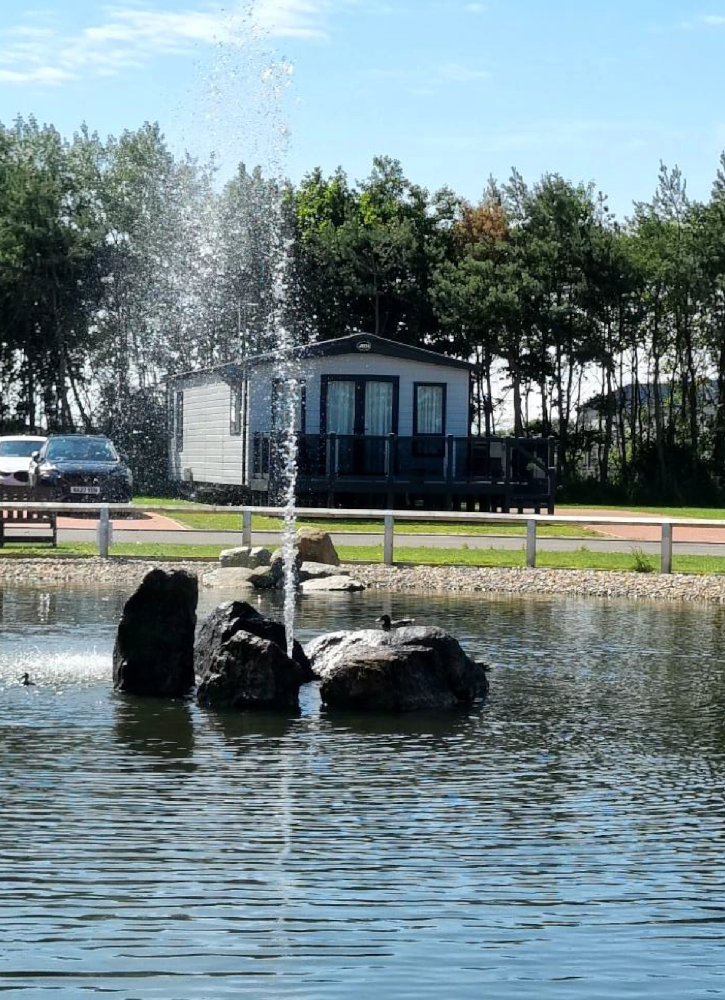
From its cliff-top coastal setting, Hornsea Leisure Park provides a comfortable base for returning to favourite beaches and discovering somewhere different each time. You might spend one morning searching the shoreline, then keep the afternoon completely free.
That flexibility suits couples looking for peaceful breaks as much as families planning days together. It also makes it easier to enjoy Hornsea at your own pace instead of trying to fit everything into one visit.
Our five-star park offers a welcoming, well-kept setting close to Hornsea and the wider East Yorkshire coast. If regular seaside escapes appeal to you, you can easily visit the relevant section of our website to browse the latest holiday homes for sale at Hornsea Leisure Park and find out more about life as a static-caravan owner here.
Plan Your Fossil Hunting Yorkshire Coast Day from Hornsea
A fossil-hunting Yorkshire Coast day does not need to involve specialist knowledge or complicated equipment. Sometimes, the most fulfilling approach is simply to walk slowly, inspect the loose stones, and see what catches your eye.
Hornsea, Mappleton, and the coastline towards Bridlington provide an abundance of opportunities to discover East Yorkshire’s geological story. Just remember to respect the cliffs, check the tides, and put safety first.
When the fossil search is finished, Hornsea offers plenty of space to slow down and appreciate being beside the sea.
If you would like to find out more about owning a static caravan at Hornsea Leisure Park, our friendly team will be pleased to help. Get in touch with our on-site staff to discover more about enjoying regular escapes to the East Yorkshire coast.