Why The Hornsea Mere Wildlife Is Worth Exploring
Hornsea Mere is Yorkshire’s largest freshwater lake and one of the area’s most important wildlife locations. It is an internationally important location for birds, particularly due to its numbers of wintering wildfowl and roosting gulls.
The combination of open water, reedbeds, and mature woodland creates several different habitats within a relatively compact area. Such strong variety gives birdwatchers plenty to look and listen for.
Species associated with the Mere include kingfishers, little egrets, and water rails. During spring and summer, reed warblers can also be found around the reedbeds. The surrounding woodland supports its own mix of birdlife, including woodpeckers and treecreepers.
You do not need an extensive bird list to enjoy a visit. Part of the appeal comes from simply finding a quiet spot, watching the water, and seeing what appears.
Birdwatching in Hornsea: What to Look for Through the Seasons
If you are interested in birdwatching in and around Hornsea, returning at different times of year can make each visit feel different.
Spring and early summer
Spring brings more activity around woodland, hedgerows, and reedbeds. Birds become easier to hear as they establish territories and raise their young.
Reed warblers are among the seasonal birds associated with Hornsea Mere during spring and summer. Cuckoos may also be heard around suitable habitats.
Early mornings can be particularly enjoyable. There is often less disturbance, while birds tend to be more active.
Late summer and autumn
As summer begins to change into autumn, migration adds another dimension to birdwatching along the East Yorkshire coast.
Sightings can vary considerably from one visit to another. Weather, wind direction, and migration patterns all play a part, which makes it worthwhile to keep your binoculars close.
Autumn also brings softer light and changing colours around the surrounding countryside. It is an ideal season for combining wildlife watching with a gentle walk.
Colder months
Hornsea Mere has particular importance for wintering wildfowl, making the colder part of the year interesting for birdwatchers too. Large gatherings of birds can transform the character of the lake.
Wrap up warmly and allow yourself plenty of time. A slower visit often reveals far more than trying to cover the area quickly.
Simple Tips for Enjoying Hornsea Mere
You do not need specialist equipment for a wildlife day out. However, a few simple preparations can make the experience more rewarding.
- Bring binoculars. Even a compact pair can make birds on the water much easier to identify.
- Visit earlier in the day. Quieter periods can make wildlife easier to spot.
- Wear suitable footwear. Conditions around natural areas can change after wet weather.
- Take an extra layer. Coastal weather can change quickly, even during warmer months.
- Keep noise to a minimum. Moving slowly gives you a better chance of seeing wildlife behaving naturally.
- Give wildlife space. Avoid approaching nests, feeding birds, or resting flocks.
- Follow local signs. Access arrangements and conditions may change, so check current information before setting off.
Families can make birdwatching more engaging by keeping a simple list of everything they see. Younger visitors could also look for different colours, bird shapes, or habitats rather than try to identify every species.
Dog owners should keep pets under close control around wildlife and follow any local restrictions. This is especially important near nesting or resting birds.
Nature Reserves in East Yorkshire: Wildlife Days Out Beyond Hornsea
An online search for information on nature reserves in and around East Yorkshire will bring up several excellent options for extending your wildlife adventures.
Hornsea Mere can be the starting point rather than the whole experience.
Flamborough Cliffs
Flamborough Cliffs is a memorable choice for anyone who enjoys seabirds and dramatic coastal scenery.
Puffins are one of the reserve’s best-known seasonal attractions. They can usually be seen nesting from the clifftops between mid-May and mid-July. Fulmars, kittiwakes, guillemots, and razorbills also use the cliffs.
Spring and autumn bring further interest because the headland sits on an important migration route. Butterflies, wildflowers, and coastal plants add another reason to explore.
Flamborough Head is an approximately 30-minute drive from Hornsea Leisure Park, which makes it practical for a longer family day out.
Spurn National Nature Reserve
For a full wildlife day out, Spurn offers something very different.
This distinctive stretch of the Holderness coast is famous for bird migration. Its mix of beaches, dunes, mudflats, saltmarsh, and open water creates habitats for many different species.
Bird numbers can change dramatically according to the season and weather. Migration periods can also bring impressive movements of butterflies, dragonflies, hoverflies, and other insects.
Spurn requires more planning than a quick trip to Hornsea Mere, but it can be an excellent choice for keen nature lovers.
Wildlife Attractions on The Yorkshire Coast: Explore Beyond the Reserves
The best wildlife attractions that Yorkshire Coast visitors can enjoy are not limited to formal nature reserves.
Hornsea itself gives you several easy ways to spend more time outside.
A walk beside Hornsea Beach combines sea air with opportunities to watch coastal birds. You can also follow sections of the Trans Pennine Trail as it leaves the town and heads towards the East Yorkshire countryside.
The Hornsea section follows a former railway route, creating a largely flat and relaxed option for walkers and cyclists. Hedgerows, open countryside, and changing seasonal colours make it particularly rewarding for nature lovers.
You can find more ideas in our guide to exploring the Trans Pennine Trail from Hornsea.
The combination of these different landscapes is a major part of Hornsea’s appeal. One morning might begin beside freshwater reedbeds, while the afternoon could involve a coastal walk with views across the North Sea.
Make Wildlife Part of Your Hornsea Leisure Park Lifestyle
Having your own place on the East Yorkshire coast can make nature feel less like a special occasion and more like part of your routine.
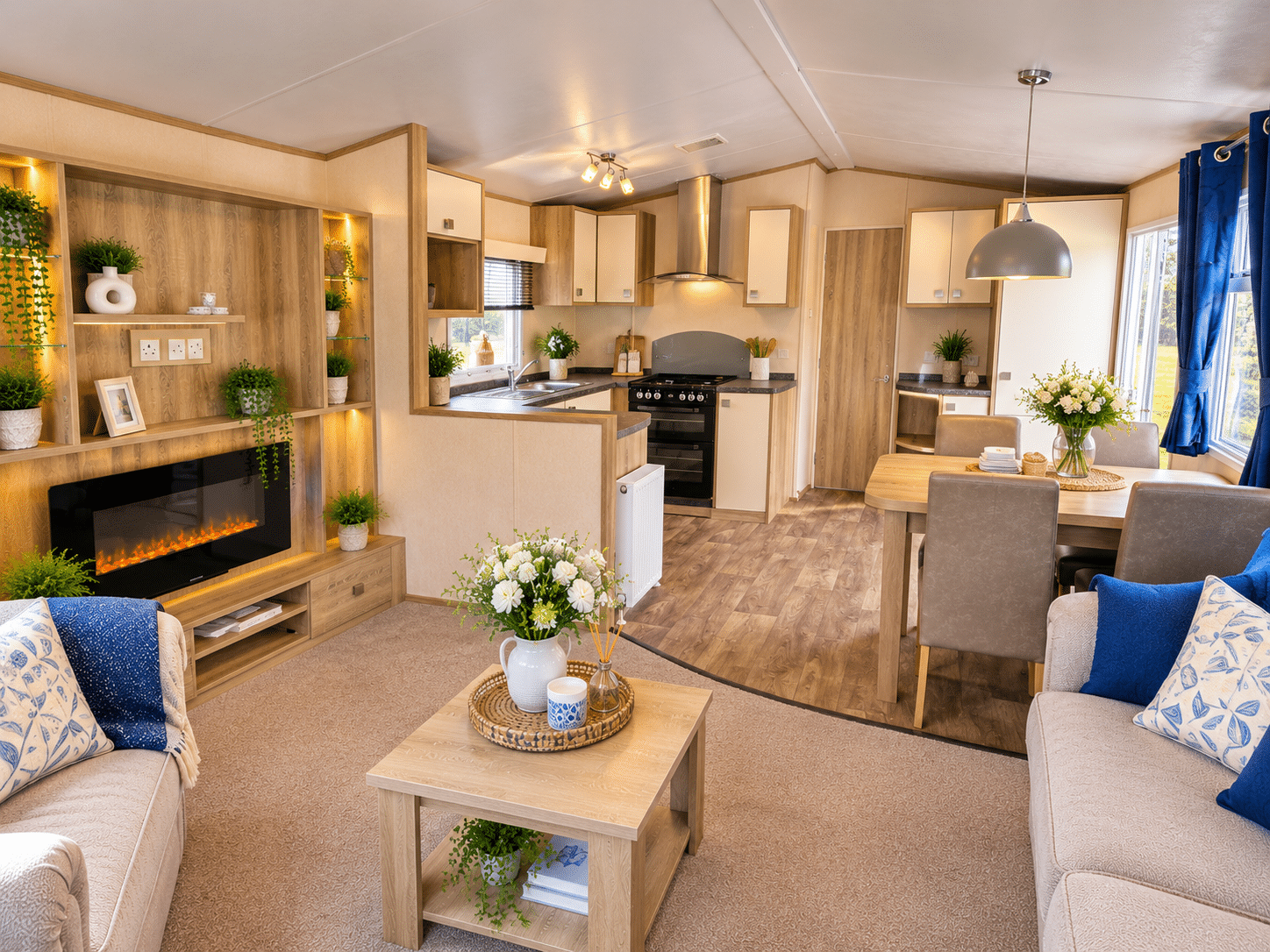
Hornsea Leisure Park sits in a cliff-top coastal location with Hornsea, the beach, and local countryside close by. The park is family-run and pet-friendly, with a 52-week season for holiday-home owners.
All this makes spontaneous trips easier. You might head to the Mere for an early morning walk, spend an afternoon by the coast, or plan a longer wildlife day when the weather looks right.
There is no need to fit everything into one visit. Returning regularly means you can enjoy the same landscapes as the seasons change.
For couples, retirees, and busy families, that flexibility can be particularly appealing. A familiar coastal base gives you somewhere comfortable to return to after a day spent exploring East Yorkshire.
If that kind of lifestyle sounds like your idea of a wonderful escape, you can browse our current holiday homes for sale at Hornsea Leisure Park.
Enjoy Hornsea Mere Wildlife at Your Own Pace
The opportunity to see the Hornsea Mere wildlife is one of many reasons to explore the quieter side of this part of East Yorkshire.
You can watch birds beside the water, follow countryside trails, or make a day of visiting the region’s nature reserves. Add Hornsea’s coastline into the mix and there is always another outdoor experience to enjoy.
The real pleasure comes from taking your time. Wildlife changes with the weather and seasons, so no two walks need to feel quite the same.
If you would like to discover more about life at Hornsea Leisure Park and having your own coastal retreat, our friendly team is always happy to help. Why not get in touch with us to find out more, and to book an in-person viewing of our site and holiday homes?